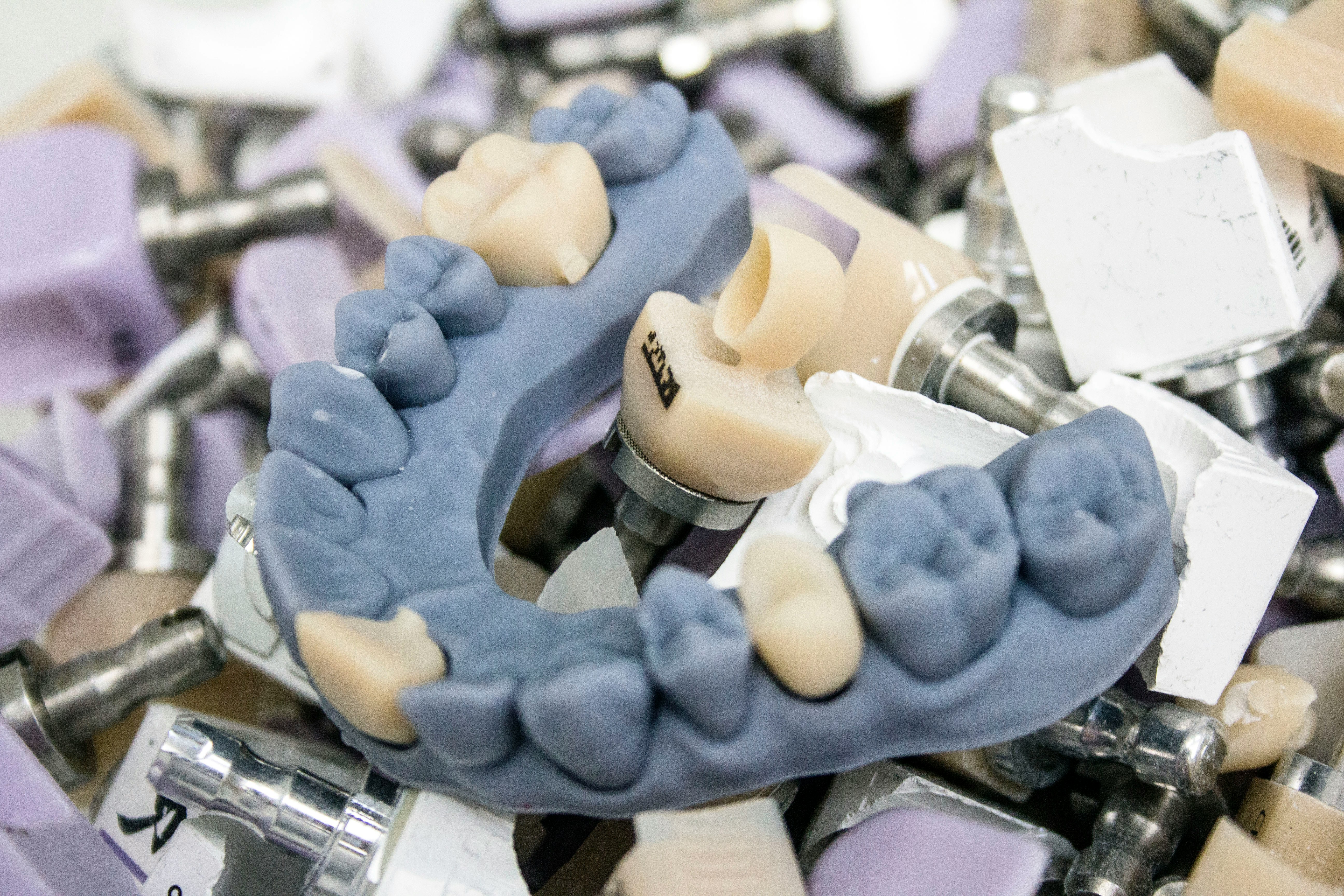
Dental implant treatment is no longer planned only by looking at a simple X-ray and estimating available space. With 3D implant planning, clinics can evaluate bone volume, anatomical structures, angulation, and prosthetic goals in far more detail before surgery begins.
How 3D Implant Planning Works
The process usually combines a CBCT scan with digital impressions or intraoral scans. Specialized software allows the dentist to plan implant position in a prosthetically guided way, rather than simply placing an implant where bone appears available.
Why This Technology Matters
- Improves surgical accuracy
- Helps identify anatomical risks earlier
- Supports better restorative outcomes
- Makes treatment more predictable in complex cases
How Albania Is Using It
Implant-focused clinics in Albania increasingly adopt 3D planning because it improves communication between surgeon, restorative dentist, and laboratory. That is especially important when treating international patients on a tight schedule.
What It Means for Patients
Patients benefit from more informed planning, better visibility of the treatment process, and greater confidence that implant placement is designed with both safety and final function in mind.
Final Thoughts
3D implant planning is one of the clearest signs that Albania is embracing sophisticated digital dentistry. It helps clinics deliver safer, more predictable implant care while staying competitive on value.