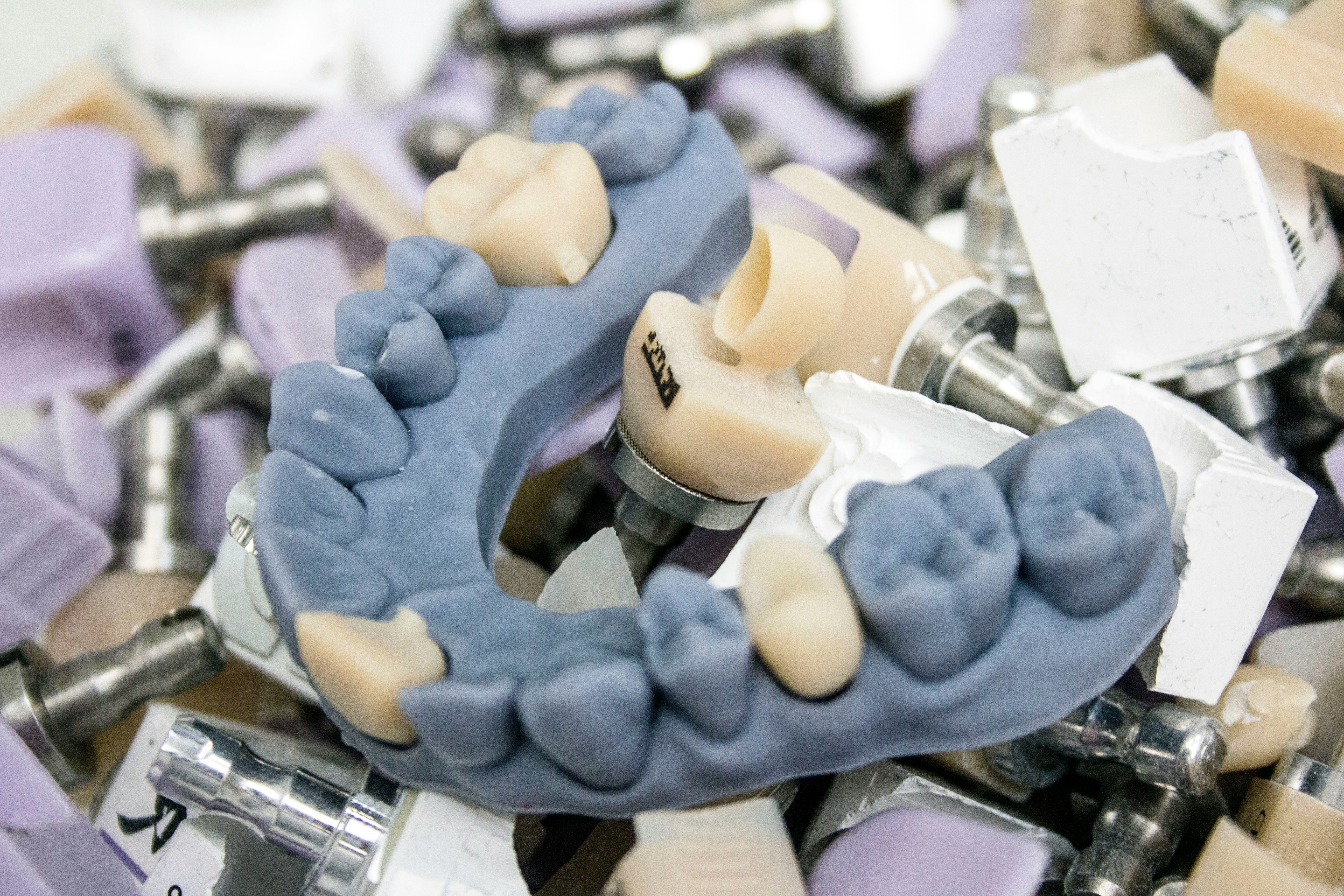
3D printing is no longer experimental in dentistry. It is becoming a practical tool for producing models, surgical guides, temporary restorations, aligner setups, and other components that improve speed and workflow efficiency. Albanian clinics and laboratories are increasingly adopting this technology to stay competitive and improve treatment coordination.
How 3D Printing Is Used in Dentistry
- Printing study models
- Creating surgical guides for implant placement
- Producing temporary restorations
- Supporting orthodontic workflows
- Improving laboratory turnaround
Why It Matters
3D printing reduces dependence on slower manual processes and supports more repeatable, digitally integrated workflows. It also improves communication between clinicians and technicians by turning digital plans into physical tools more quickly.
How Albania Is Taking Advantage
As Albanian dentistry becomes more digital, 3D printing is helping clinics and labs shorten production times and improve treatment planning. This is especially valuable for implant cases and short-stay dental tourism patients who need efficient sequencing.
Final Thoughts
3D printing is one of the clearest signs that Albanian dentistry is moving toward faster and more integrated digital care. It supports both quality and efficiency, which is a powerful combination for modern clinics.