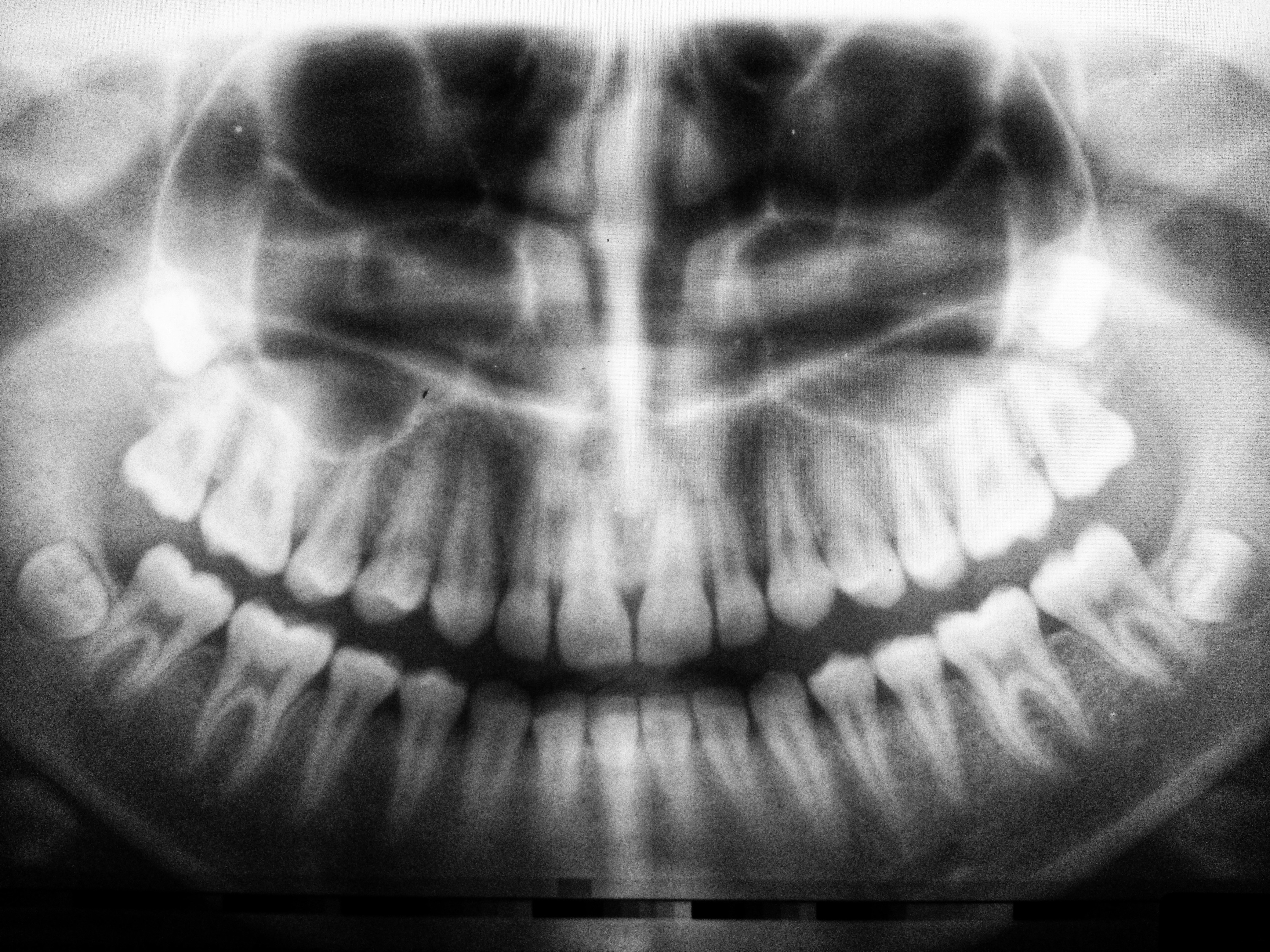
CBCT scanning has become one of the most important diagnostic tools in advanced dentistry. Unlike traditional two-dimensional imaging, CBCT provides a three-dimensional view of the jaws, bone, teeth, and nearby anatomical structures, helping clinics plan treatment more safely and accurately.
What Is CBCT?
CBCT stands for cone beam computed tomography. It is widely used in implant planning, oral surgery, endodontics, orthodontics, and other situations where 3D detail can improve diagnosis and decision-making.
Why It Is Valuable
- Shows bone dimensions more accurately
- Helps locate nerves and sinus anatomy
- Supports safer surgical planning
- Improves diagnosis in complex cases
How Albania Is Using CBCT
Leading clinics in Albania increasingly use CBCT as part of implant assessment, full-mouth planning, and advanced restorative work. This allows them to approach treatment with a level of detail expected in more digitally advanced dental systems.
What This Means for International Patients
For dental tourists, CBCT scanning can reduce uncertainty and make treatment plans more reliable. It also supports better case selection before invasive procedures begin.
Final Thoughts
CBCT technology is one of the key reasons Albania can compete as a modern dental destination. It gives clinics the diagnostic precision needed to treat more complex patients with greater confidence.