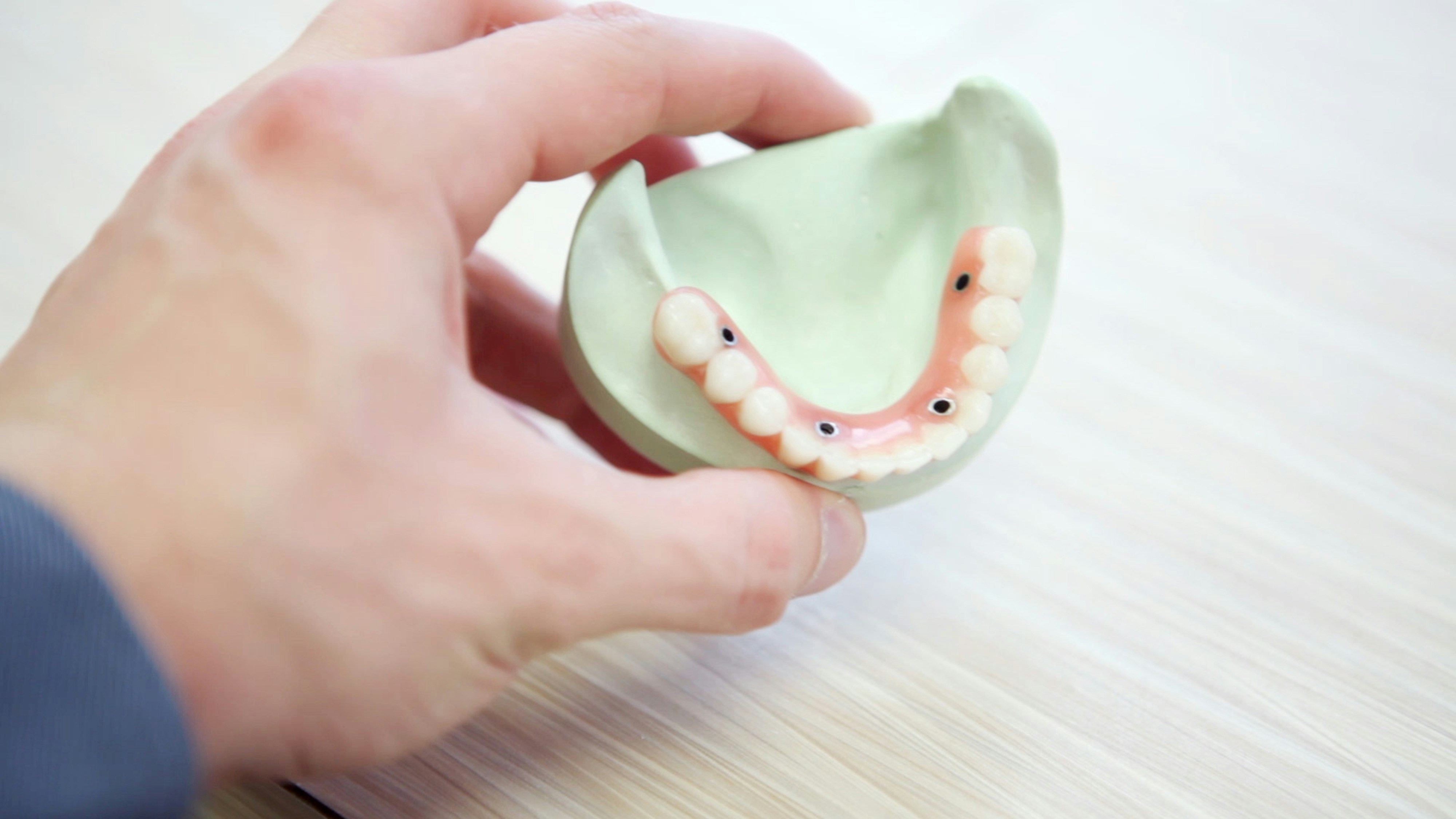
When replacing missing teeth, two of the most common options are dental bridges and dental implants. Both are widely available in Albania, and both can be excellent solutions depending on the clinical situation. The right choice depends on more than cost alone.
How a Bridge Works
A bridge replaces a missing tooth by anchoring an artificial tooth to neighboring teeth or implants. Traditional bridges can be completed relatively efficiently, which makes them attractive to some dental tourists.
How an Implant Works
An implant replaces the tooth root as well as the visible crown. This usually offers a more independent and long-term solution, but it often involves surgery and a longer treatment timeline.
Key Differences
- Treatment time: Bridges are often faster
- Tooth preservation: Implants do not rely on adjacent teeth in the same way
- Surgery: Implants require a surgical phase
- Timeline: Implant treatment may involve healing between visits
Why Patients Compare These Options in Albania
- Both treatments are more affordable than in many Western countries
- Patients want to balance cost, speed, and durability
- Clinics often offer both options under one treatment plan
Questions to Ask Before Choosing
- What is the condition of the neighboring teeth?
- Is there enough bone for an implant?
- How quickly do I need the treatment completed?
- What are the maintenance and long-term expectations?
Final Thoughts
Dental bridges and implants in Albania both have clear advantages. The most important thing is to choose the option that matches your oral condition, travel schedule, and long-term goals rather than simply choosing the faster or cheaper path without proper assessment.