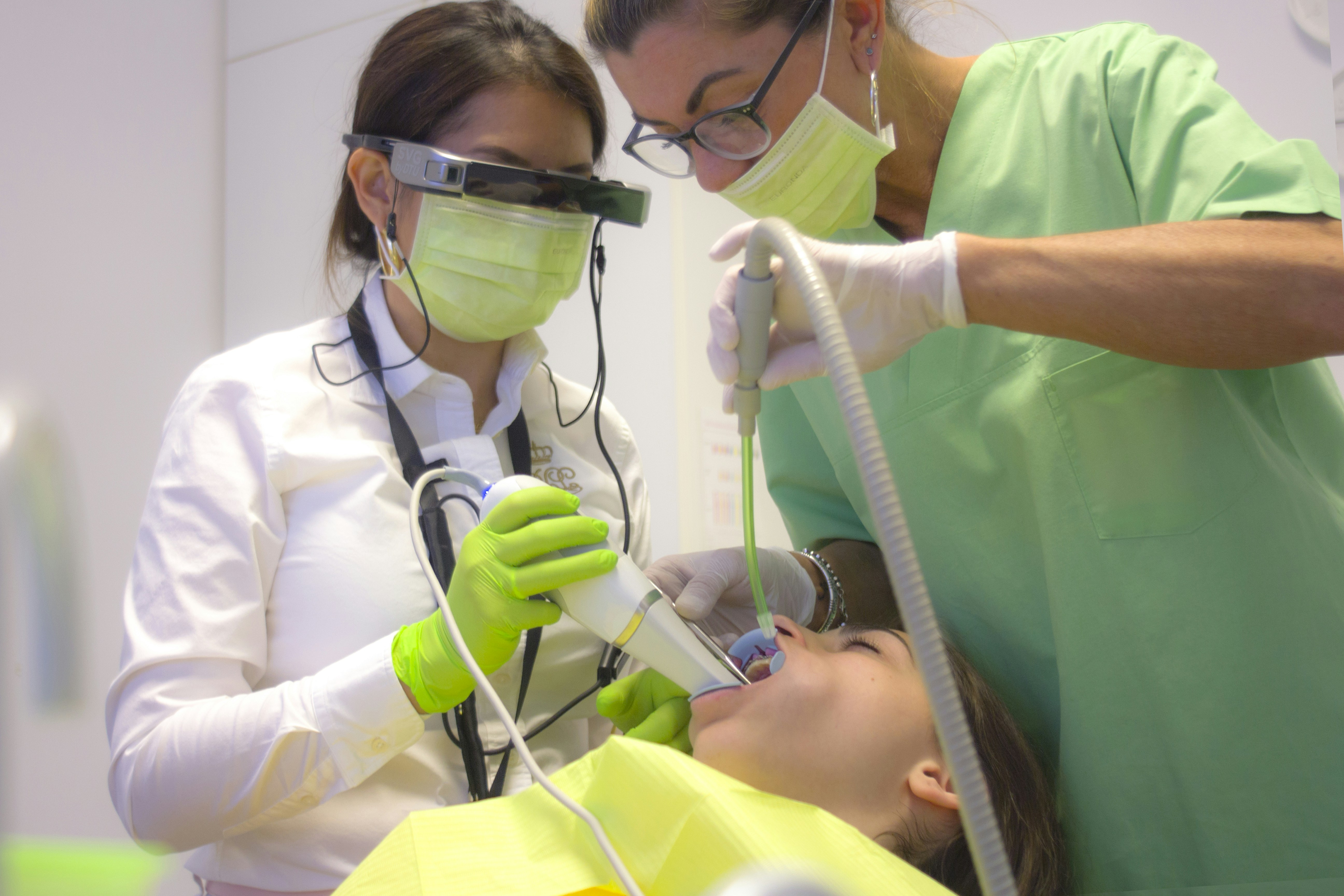
Traditional dental impressions have long been one of the least comfortable parts of treatment. Intraoral scanners are changing that by allowing dentists to create highly detailed digital models of the mouth without trays full of impression material. Clinics in Albania are increasingly using this technology in restorative, orthodontic, and implant workflows.
What Are Intraoral Scanners?
Intraoral scanners are handheld devices that capture a digital 3D model of the teeth and gums. They are used for crowns, bridges, aligners, implant planning, veneers, and other modern workflows that benefit from digital precision.
Benefits for Patients
- More comfortable than traditional molds
- Faster appointment workflow
- Better communication through visual models
- Improved integration with digital labs and planning software
Why Albania Is Embracing Them
Clinics in Albania that serve international patients understand the value of efficient appointments and accurate data transfer. Digital scans support faster case planning and help clinics coordinate high-quality prosthetic work more effectively.
What This Means for Dental Tourists
For patients traveling for treatment, digital impressions can reduce discomfort and improve efficiency during a short visit. They also help clinics preserve records and share planning data more easily if staged treatment is needed.
Final Thoughts
Intraoral scanners are a strong example of how Albanian clinics are modernizing patient care. They improve comfort, speed, and workflow accuracy, all of which matter when treating both local and international patients.